veterinarybehavioursupport.com

- Home
- Help Choose The Right Service
Help Choosing The Right Service
What service is right for you?
We have a number of services available, provided by Sophie, Leigh-Ann or us both in combination. The information below will help explain the difference between the services available and ensure we get you booked in for the right one so we can best support you and your dog.
Behaviour Modification (referrals)
Sophie provides behaviour assessment and modification services for dogs who have been referred by their GP vets. This is to better understand why a problem behaviour is occurring so we can implement an effective plan to modify it. This is for dogs who are already showing 'problem' behaviours. The behaviour is likely to be problematic for the dog themselves, not just the humans they live with. Examples include: aggressive behaviour (if only during grooming and/or vet care see co-operative care details below), fears and phobias, abnormal repetitive behaviours (tail chasing, shadow chasing etc), reactivity towards strangers or other dogs and sound sensitivities. Leigh-Ann can provide clients and their dogs with in person coaching following the initial appointment.

Co-Operative Care
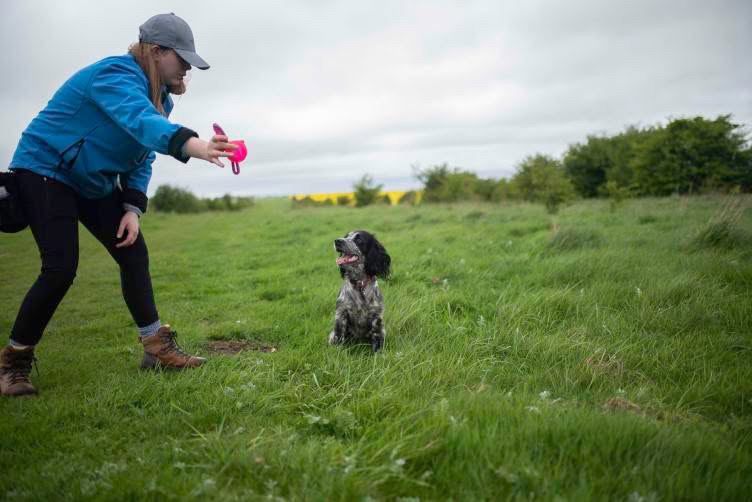
Sophie will make the initial assessment. Training and implementation of the plan is then managed by leigh-Ann. This service is suitable for any dog who is already showing signs of fear or stress during grooming or at the vets, or for any clients who want to take proactive steps to avoid issues developing. Whether your dog runs away, shakes, barks or uses aggressive behaviours when being groomed or examined, this service will help understand exactly what they are finding difficult, and teach them (and you) the skills needed to make grooming and vet care less stressful. Please note this service is not suitable for dogs with other significant behaviour concerns, especially those who tend to use aggression in other situations (unless previously assessed by ourselves).
Preventative Care
Leigh-Ann provides all of our preventative care services. These are to help families who may be struggling with normal, but tricky, behaviours associated with puppyhood or adolescence, or who want to prepare for a specific event. This may be helping a new dog settle into the home, helping them adjust to a human sibling's arrival or planning to help integrate pets (of all species) when moving in with a partner. This service is to help avoid problems developing, and ensure any minor issues are dealt with appropriately. It is not suitable for dogs who are already displaying emotional reactions leading to obvious fear or aggressive displays.
Success Stories
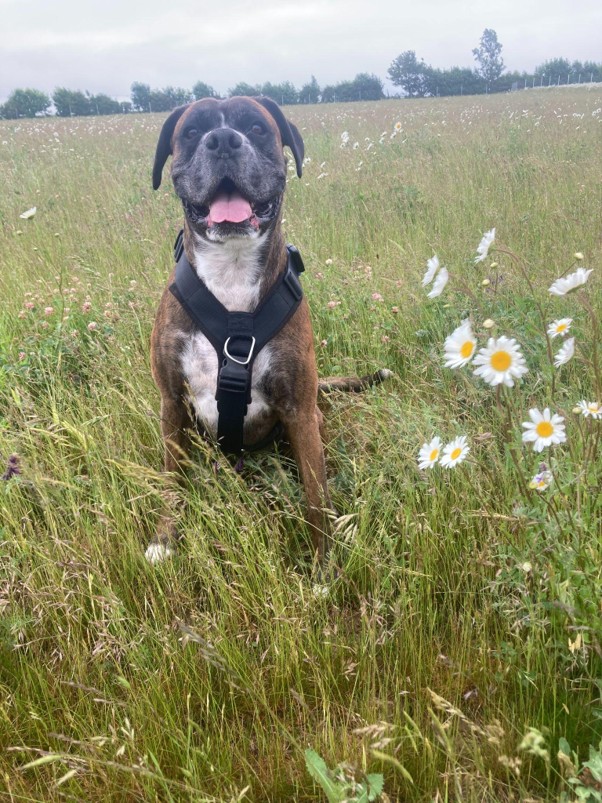
Boris' Story
We have had Boris since he was 8 weeks old, and already having a dog at home, who had no issues with any behaviour, was looking forward to them both having each other.
Life was busy, renovating a home, and two dogs then when Boris was 7 months old I was diagnosed with breast cancer. Intense treatment meant we didn’t get out as much as I would have liked, only managing 1 walk a day. Boris became reactive towards other dogs, even turning on Vinnie, our other dog for no apparent reason. Months of me having treatment and struggling with Boris behaviour took its toll. I had tried everything, watching dog training online, buying ‘calming treats’ even reaching out to well known celebrity dog trainers, nothing worked. I decided to speak to my vets and they put me in contact with Sophie and it was the best decision I ever made.
I have now been working with both Sophie and Leigh Ann for over 1yr. Both helped me to understand how to read Boris and what his triggers were. I had spent time thinking I was doing the right thing, when in reality I was making it worse. I worked directly with Leigh Ann and she understood Boris immediately. We would have an hour-long session and during this time I learnt so much.
What nobody else had picked up on, was that Boris walked differently, and to get him an X-ray on his hips. We found out that Boris had hip dysplasia, along with other joint related issues. Boris was put on painkillers and joint supplements as well as receiving hydrotherapy.
Boris is like a different dog, he listens to me, he walks well, very rarely takes his frustration out on Vinnie. We have been able to walk with other dogs, and he’s a lot calmer in new situations. I even managed to take him to a coffee shop where I received a comment, he’s so well behaved! If only they knew 2 years ago I was willing to give up on him. The work is continuous and there is no ‘one fix’ and it’s not done overnight, but having their support keeps you going.
Without the support that Sophie and Leigh-Ann gave me and Boris we would never be where we are now. Boris, being a Staffy already gets a bad rep, but he is the most gentlest, kind boy who just wants love and gives love. I feel both Boris and I have both changed, I can read his behaviour and can control it better, avoiding a huge anxiety attack. Boris is calmer, but it’s not perfect as there are still some dogs he’s reactive too, I guess as humans we don’t like everybody either. I can live with that and don’t expect him to be the dog that gets on with everyone. I am still working with them, and will keep it up as it’s such great support for both of us as they both understand the effects a reactive dog can bring into everyday life, and I was never judged or told ‘control your dog’
Sophie and Leigh Ann saved us both.

Brandy's Story
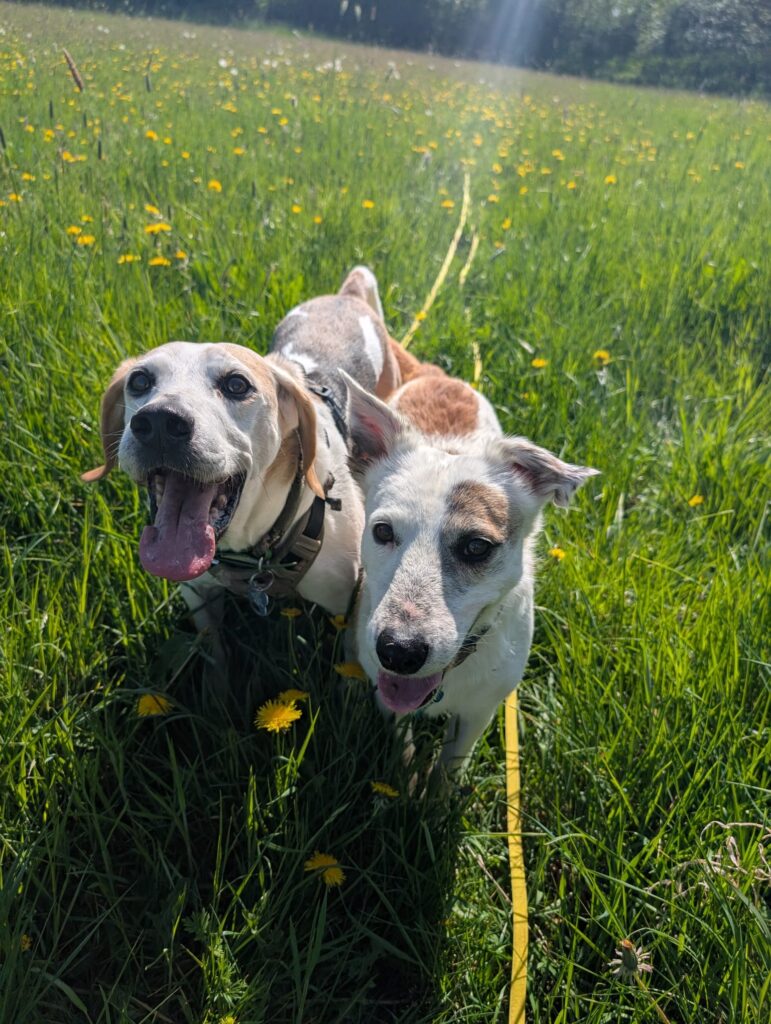
Four years ago, life with Brandy was incredibly tough. Simple things like going for a walk felt completely impossible. She had severe dog reactivity – lunging and snarling whenever she saw another dog (“it’s the Hulk – run!!!” as I called her) alongside “stranger danger.” On top of that, she was terrified of fireworks and thunderstorms, to the point where we couldn’t leave her alone in the house in the evenings. We adjusted our whole lives around her fears, only walking her at the crack of dawn or really late at night (if at all) just to avoid triggers. We were working with a great force-free trainer who helped us a lot, but we eventually hit a wall. They ethically suggested that Brandy might need some clinical help, which is how we ended up contacting Sophie.
Looking back at everything we’ve done over the last four years, the progress Brandy has made is massive. It definitely wasn’t a quick fix, but a lot of step-by-step teamwork.
First, Sophie did a thorough analysis. Brandy was already on some pain medication at the time, but with Sophie’s knowledge, we adjusted the treatment to something that worked much better for her. We’d seen a physio before without much luck, but this time, getting her pain properly managed made a noticeable difference in her behaviour.
To help lower her baseline anxiety and support her behaviour modification plan for her reactivity, noise sensitivity, and fears, we also started her on fluoxetine. It made a huge difference in helping her cope with the world and allowed us to slowly reintroduce short, local walks without everyone being on edge.
We also found new physiotherapists that Brandy actually likes seeing. The work we’ve done with them has been so successful that we’ve been able to reduce her pain medication to the point where she doesn’t need it anymore, unless she has a rare flare-up.
Slowly, all the hard work started to pay off. Over the last two years, her reactivity has improved to the point where she has made two dog friends on her walks, and she even made friends during group classes with Sophie. Although she can still struggle sometimes in certain contexts with other dogs, we are now able to walk past a dog on the other side of the street 99% of the time without having to manage her, and she’s even better if we’re in a field.
Her walks are pretty much brilliant now, which is a relief, because she used to completely refuse to go out with just myself or my partner. She insisted it had to be a joint effort, meaning the only way she was going out was if the three of us went together. We had to rearrange our morning schedules to make it happen, and while it was nice to have that “compulsory” family bonding time at 6:00 AM, it meant that if our schedules didn’t match up, Brandy simply couldn’t go out. Thankfully, those days are behind us. We have just hit a 100-week streak of taking her out at least five times a week (yes, I initially used a Habit Tracker to make sure we do them), but over the last year, it’s been every single day. For the last six months, I’ve been able to take her on our full routes completely on my own with zero issues, and she doesn’t get “stuck” anymore. Even better, over the last three months, she’s been going out for evening walks too, and she actually wants to go.
The biggest news is that Brandy is now completely off the fluoxetine. We started the reduction plan with Sophie and our vet back in November, right around Bonfire Night. We were worried that starting a medication reduction during peak firework season might cause a massive setback, but Brandy surprised us. She coped with the noise better than we ever could have imagined (we still had management in place), which just proved to us that all the work we’d put in had truly paid off and she didn’t need the extra support anymore. It took a few months from that point and two months ago she took her very last dose.
We wanted to see how she’d cope now that she’s more confident in the world, and it has gone incredibly well. Her noise sensitivity has reduced, she’s happily interacting with people in our lives, and she just seems to be happy.
But honestly, one of the biggest shifts was in our own mindset. We learned to accept certain things as just part of her character, rather than a problem that needed fixing. Accepting what she likes and doesn’t like made a huge difference to all of our stress levels.
We still have our challenges sometimes, but we coexist nicely now and life is good. Having such a solid, predictable baseline for her behaviour is great. Because we know exactly how she feels when she is comfortable, it makes it so much easier for us to identify if anything is wrong when her behaviour suddenly changes for the worse.
A huge thank you to our original trainer, our vets, her physio, and a massive thank you to Sophie (and Leigh-Ann) for getting us to this point.
Storm's Story
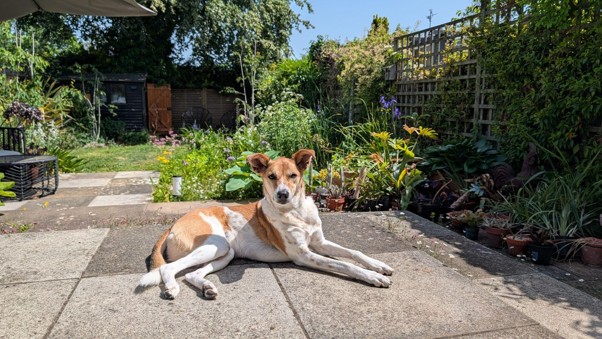
When Storm came to us at five months old, we were told pretty quickly that he was a problem. A reactive German Shepherd who was scared of strangers and overwhelmed by other dogs. Too intense to manage. People had opinions – A working line, a Czech GSD, you need to control him, you need a strong hand, try a choke collar or a prong collar or a shock collar, you’re anxious and he can smell that, show him who the Alpha is, tap on the nose to correct him…
Enter Sophie. In her eyes, he wasn’t a problem breed. He was a dog that was scared and struggling, expressing himself in the only way he knew how. She helped us understand that we weren’t the problem either – we just needed to meet him where he needed us to meet him. Medication to give him the breathing room to actually learn. Patience. And time. A lot of time.
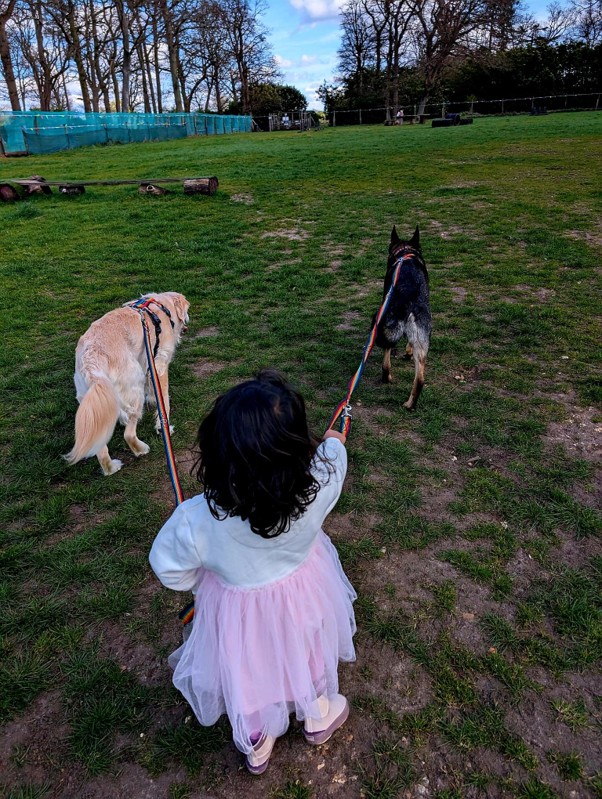
Bringing our daughter home from the hospital will remain a core memory. She was days old. We kept her in her cot those first few days, letting Storm adjust to her smell, her sounds, this tiny new human in his world. We didn’t rush it. We just let it happen slowly, carefully, on his terms.
They are now the best of friends and I never take it for granted.
Storm now has a circle of around 20 people he trusts completely. Every single one introduced patiently, on his terms, with Sophie’s guidance. A few years ago I didn’t know if that would ever be possible.
We are still on this journey. Right now we’re working with Leigh Ann on getting Storm comfortable enough to be seen safely by a vet, because he’s getting older and his health has to come first. In those sessions, when I catch him before a reaction, or I see him relax and turn his attention back to me, those breakthroughs are small but enormous at the same time. I am still learning him. Six years in and he is still teaching me things.
If you’re in the thick of it right now and someone is telling you that force is the only answer, please keep looking. It isn’t. Science and snacks, as we like to say. It’s as simple and as hard as that.
Loki's Story
Where we started
Loki was extremely dog reactive to most dogs, reactions were extreme so we tended to avoid walking in our village (certain dogs were huge triggers) and we would walk early or use secure fields. I avoided other dogs with him wherever possible.
Loki lacked confidence on walks and would often only manage about 30 minutes before wanting to go home.
What worked
Exploring Loki’s health problems in particular his IBD, a change of diet to reduce tummy pain which impacted his reactivity.
Building confidence with other dogs through 1:1 sessions and group classes in a calm, controlled environment.
Reducing ball time and implementation of calmer activities.
Where are we now
I would say Loki is fine with 95% of dogs. When he does react it’s less intense. He greets dogs on walks, has some dog friends and has even started to play with dogs in the village he previously found scary. We can go to high dog populated areas for walks including the beach. He will happily walk and explore for up to 2 hrs.
Our world has become much bigger.
- Testimonials
Reviews & Recommendations


 Trustindex verifies that the original source of the review is Google.
 Trustindex verifies that the original source of the review is Google.
 Trustindex verifies that the original source of the review is Google.
 Trustindex verifies that the original source of the review is Google.
 Trustindex verifies that the original source of the review is Google.
 Trustindex verifies that the original source of the review is Google.
 Trustindex verifies that the original source of the review is Google.
 Trustindex verifies that the original source of the review is Google.
 Trustindex verifies that the original source of the review is Google.
 Trustindex verifies that the original source of the review is Google.